Tarifs douaniers canada: A Practical Guide

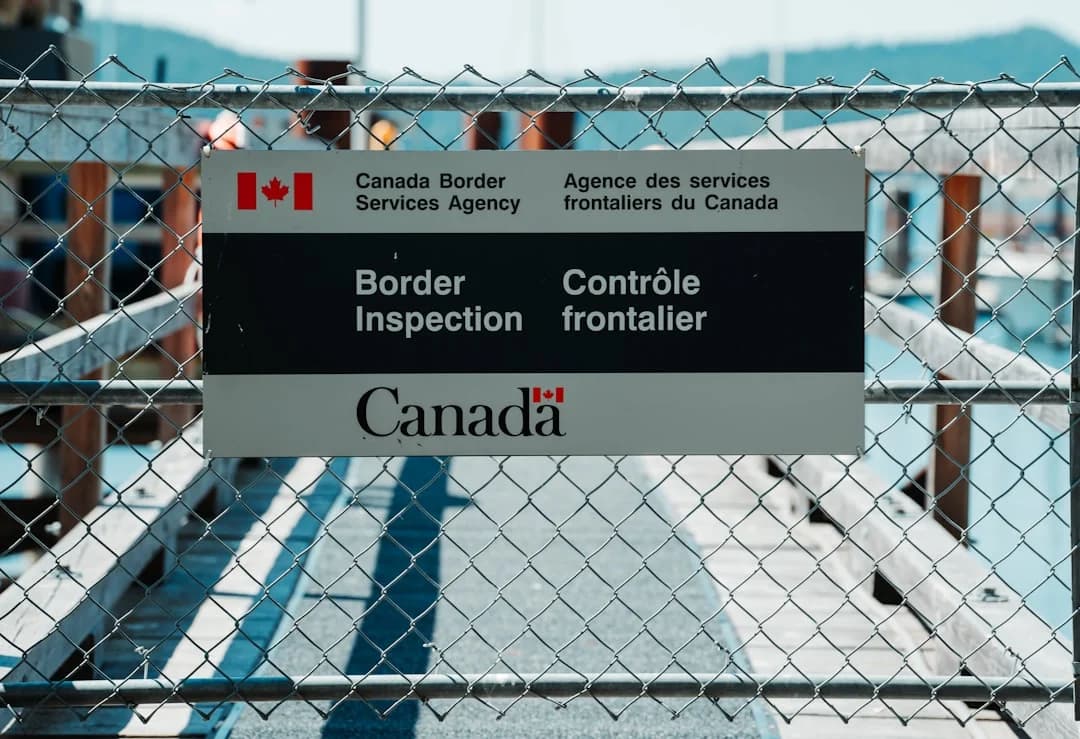
Photo by Hermes Rivera on Unsplash
Navigating tarifs douaniers canada is a central part of budgeting and planning for any company moving goods across the border. Tariffs, origin rules, and value thresholds shape landed costs, cash flow, and competitive pricing. For Canadian businesses and international partners, understanding how duties are calculated, when free-trade provisions apply, and how to document correctly can save substantial time and money. This guide delivers a structured, step-by-step approach grounded in current practice and official rules, with practical instructions you can apply today. You’ll learn how to identify the right tariff codes, check applicable rates, leverage free-trade agreements, and manage documentation and timely clearance. Expect a focused, data-driven process that you can adapt to a wide range of goods and markets.
As with any cross-border activity, the devil is in the details. Tariffs in Canada are set by the government and are influenced by trade agreements, product classification, and the country of origin. The Canada Border Services Agency (CBSA) maintains the tariff framework and notes that the value for duty, proofs of origin, and threshold requirements can materially affect your costs and timelines. For travelers, the rules differ from commercial shipments, but the same principle applies: accurate classification and origin data minimize adjustments and delays. This guide focuses on commercial imports and explains how to apply tariffs precisely, while also calling out common pitfalls to avoid. For reference, the official tariff finder tools and CBSA guidance provide the latest rates and procedures you’ll rely on as you implement these steps. (cbsa.gc.ca)
Section 1: Prerequisites & Setup
What you’ll need before starting
- A clear understanding of your product description and intended HS classification (6–10 digit code in Canada). The tariff classification is essential to determine duty rates and applicable free-trade provisions. The CBSA provides a comprehensive guide to tariff classification to help you read the tariff and assign the correct codes. Familiarize yourself with the general rules of interpretation (GRIs) and Canadian-specific notes. This reduces misclassification risks and audit exposure. (cbsa.gc.ca)
- Access to Canada Tariff Finder (or equivalent), to look up duties for your product and compare rates across markets, including preferential rates under FTAs. Tariff Finder is designed to simplify rate lookup and comparison for imports and exports, and it can print or email results for your records. (tariffinder.ca)
- Knowledge of your shipment type and origin: commercial importation versus courier vs. mail, so you apply the correct threshold rules and documentation. The CBSA distinguishes how duties and taxes are applied depending on the mode of import and the program you’re using (including LVS and CLVS). (cbsa-asfc.gc.ca)
- If you plan to claim preferential tariff treatment under FTAs (like CUSMA/USMCA), you’ll need to establish origin and have documentation to support it (e.g., certificate of origin or origin declarations, depending on the FTA and threshold). CBSA outlines when proof of origin is required and when it can be waived under FTAs. (cbsa-asfc.gc.ca)
- A method for calculating landed costs, including duties, GST/HST, and provincial taxes where applicable. GST/HST on imports is calculated on the value for duty plus duties, which matters for total landed cost planning. The Canada Revenue Agency explains how GST/HST applies to imported goods. (canada.ca)
Tools, accounts, and resources
- Canada Tariff Finder (official tool) for tariff-rate lookups and comparisons. (tariffinder.ca)
- CBSA tariff guidance and classification guides (for HS codes and how to interpret tariff items). (cbsa.gc.ca)
- CBSA LVS (low-value shipment) and CLVS (Courier Low Value Shipment) program details, including thresholds and release requirements. These govern when formal entries are required and how duties are calculated for small-value shipments. (cbsa-asfc.gc.ca)
- For context on recent developments, stay aware of changes to de minimis rules and border relief measures, including notices and regulatory updates from CBSA and government sources. (cbsa.gc.ca)
Time and effort expectations
- The process typically takes a few minutes per product lookup if you have a clear description and initial HS code, but thorough preparation for a full shipment (documentation, origin proofs, and threshold planning) can take several hours per new product class, especially if you’re integrating FTAs into your pricing model. Ongoing improvement comes from building a library of HS codes, origin proofs, and standard documentation templates.
Quick orientation: current tariff context
- Canada’s response to international tariff pressures and the evolving border landscape can affect what you pay and how you file. For example, the CBSA provides updates on how tariffs apply at the border for specific categories like steel, aluminum, and autos originating in the U.S. This framework can shift with new measures, so you’ll want to re-check rates when your product line changes or when new FTAs are introduced. (cbsa-asfc.gc.ca)
Section 2: Step-by-Step Instructions
Step 1: Define your product and assign an HS code
- What to do:
- Write a precise product description (materials, use, and functionality).
- Use the CBSA tariff classification guide to identify the most specific HS code for your product. If a product could fall under multiple classifications, start with the most specific option and work up if necessary.
- Why it matters:
- The HS code determines the duty rate and eligibility for FTAs. Incorrect classification leads to overpayment or miseligibility for preferential rates.
- Expected outcome:
- A proposed HS code (or a short list of candidate codes) with a justification for the chosen code.
- Common pitfalls:
- Vague product descriptions that map to broad codes.
- Assuming a domestic SKU maps directly to a single HS code without verification.
- Tip: Use the CBSA tariff classification guide to understand the structure and to cross-check examples. If in doubt, consult a customs broker or use the “Find tariff information” path in Canada Tariff Finder. (cbsa.gc.ca)
- Visual cue: Screenshot idea – capture the CBSA classification page showing how to read a tariff item and the example of 6-digit to 10-digit codes.
Step 2: Look up duty rates with Canada Tariff Finder
- What to do:
- Enter your product description or HS code, and specify “Canada” as the country of import or export to see applicable rates and FTAs.
- Compare standard rates versus preferential rates under FTAs and note any phase-out periods.
- Why it matters:
- This step yields the baseline landed cost and helps you decide if you can leverage FTAs to reduce duties. The tool is designed to deliver quick duty-rate information and comparison across markets, including preferential rates under FTAs. (tariffinder.ca)
- Expected outcome:
- A clear table of duty rates and potential savings under FTAs, plus notes on any phase-out or origin requirements.
- Common pitfalls:
- Relying on a single rate when multiple FTAs might apply; some products require specific origin rules for preferential treatment.
- Visual cue: Screenshot idea – tariff finder results panel with standard vs. preferential rates and the “print/email” export option.
Step 3: Verify eligibility for FTAs and prepare origin documentation
- What to do:
- Determine whether your product qualifies for preferential treatment under FTAs (e.g., USMCA/CUSMA, CFTA, or other FTAs with Canada) and whether you need a Certificate of Origin or an origin declaration.
- Gather or prepare the required origin proof according to the applicable FTA rules. For many FTAs, the commercial invoice with origin statements is sufficient if origin is waived, but some regimes still require formal origin certificates.
- Why it matters:
- FTAs can significantly reduce or eliminate duties, improving competitiveness. The CBSA explains when proof of origin is waived and when it’s required to claim preferential tariff treatment. (cbsa-asfc.gc.ca)
- Expected outcome:
- A clearly documented basis for any preferential tariff treatment, along with ready-to-submit origin documentation (or a plan to generate it if needed).
- Common pitfalls:
- Assuming a product automatically qualifies for FTAs without checking rules of origin and verification requirements.
- Missing deadlines for providing origin documentation when required.
- Pro tip: If you ship under CLVS or LVS programs, ensure your documentation aligns with threshold rules and the specific program you’ll use for release. (cbsa.gc.ca)
- Visual cue: Diagram showing origin verification options (Certificate of Origin vs. Origin Declaration) and when each is used.
Step 4: Calculate the value for duty and determine the threshold you’ll apply
- What to do:
- Determine the value for duty (the base value used to calculate duties) and the shipment value for threshold purposes.
- If your shipment qualifies for LVS under CUSMA/USMCA, verify the current threshold and whether it applies to courier or commercial shipments. The LVS threshold is a critical determinant for whether duties are charged and whether a formal entry is needed. (cbsa.gc.ca)
- Why it matters:
- Canada’s LVS threshold (and related CLVS rules) directly influence whether you’ll incur duties on a given shipment and whether you’ll need a formal entry. As of the latest updates, the LVS threshold for commercial programs is CAD 3,300, with separate rules for courier shipments under CUSMA. (cbsa-asfc.gc.ca)
- Expected outcome:
- A precise calculation plan with the duty base, whether duties may be remitted or reduced under LVS, and any taxes affected by the calculation (GST/HST).
- Common pitfalls:
- Using the wrong threshold for a given mode of transport (postal vs courier) or applying the old, lower threshold when updated rules apply.
- Visual cue: Flowchart detailing how value for duty, shipment value, and LVS/CLVS interplay to determine duty obligations.
Step 5: Prepare documentation and choose the clearance path
- What to do:
- Assemble the commercial invoice, B3 form, proof of origin (if required), and any other documents needed for CBSA release.
- Decide whether to release via a standard commercial entry or through a CLVS/LVS pathway if eligible for expedited clearance for small-value shipments.
- Why it matters:
- Proper documentation reduces clearance times and costs. The CBSA clarifies the documentation expectations and the release processes for LVS, CLVS, and other programs. (cbsa-asfc.gc.ca)
- Expected outcome:
- A complete, accurate shipment package ready for release, with a clear plan for who will file and when.
- Common pitfalls:
- Missing or inconsistent information on the commercial invoice, or failing to present proof of origin when required for preferential treatment.
- Pro tip: The CLVS program (even with its moratorium on new participants in the past) has specific guidelines for eligibility and release timing; know which program your shipment falls under and align your documents accordingly. (cbsa-asfc.gc.ca)
- Visual cue: Checklist of documents required for a commercial release vs. CLVS release.
Step 6: Estimate landed cost, test scenarios, and set pricing
- What to do:
- Build a landed-cost model that includes: product cost, duties, GST/HST, PST where applicable, and freight/insurance.
- Run scenario analyses: base case with standard tariff, case with FTAs, case with LVS/CLVS, and worst-case where misclassification occurs.
- Why it matters:
- Accurate landed-cost projections protect margins and pricing strategy, especially in markets where duties are a meaningful portion of the cost. GST/HST on imports is calculated on the value for duty plus duties, which changes landed costs. (canada.ca)
- Expected outcome:
- A documented, defendable pricing model with clearly labeled risk levers (classification error risk, origin risk, threshold risk).
- Common pitfalls:
- Ignoring GST/HST in early cost estimates, or assuming no duties for products misclassified or lacking origin proof.
- Visual cue: Spreadsheet template snippet showing how to compute landed cost with a sample HS code and hypothetical values.
Step 7: Validate compliance and prepare for audits
- What to do:
- Implement internal checks for HS code consistency, origin documentation, and threshold calculations.
- Create a simple internal audit checklist for each shipment, with a sign-off from the IOR or customs broker.
- Why it matters:
- Compliance reduces post-entry adjustments, penalties, and delays. The CBSA emphasizes reliable classification and documentation to support duties and origin claims. Block-level checks can catch issues before shipments move. (cbsa.gc.ca)
- Expected outcome:
- A repeatable, auditable process that minimizes friction at the border and improves forecasting accuracy.
- Common pitfalls:
- Relying on memory or a single broker for knowledge; the rules evolve and require ongoing checks.
Note: To help with visualization and to ensure you’re aligned with official guidance, consider including one short quote from an authoritative source: “Duty is a tariff payable on a good imported into Canada.” This reinforces the core concept while staying within sourcing guidelines. CBSA provides the broader context on duties, tariffs, and the role of the IOR. (cbsa-asfc.gc.ca)
Section 3: Troubleshooting & Tips
Troubleshooting HS code and classification issues
- If your shipment is misclassified, you may pay higher duties or face delays. Revisit Step 1 and verify the code against the CBSA guide. Consider a broker opinion if uncertainty persists. The official guide helps you interpret HS classifications and avoid common misclassifications. (cbsa.gc.ca)
Troubleshooting origin and FTAs
- If you believe your product qualifies for preferential tariff treatment but your origin proof isn’t accepted, review the exact FTA requirements and whether you need a formal certificate of origin. Some FTAs require proof of origin to claim preferential treatment; others may waive it with a proper invoice description. (cbsa-asfc.gc.ca)
Troubleshooting LVS/CLVS and threshold issues
- If you encounter issues with the LVS threshold, ensure you’re applying the correct threshold for your mode of import (postal vs courier) and for the particular program (commercial vs CLVS). The CBSA provides updated thresholds and program rules, including notices that clarify what qualifies for threshold-based relief. (cbsa.gc.ca)
Practical optimization tips
- Use a two-pronged approach: (1) build a robust HS code library and a consistent method for origin verification, and (2) regularly re-run landed-cost scenarios to reflect tariff and threshold changes. The Canada Tariff Finder and CBSA guidance are designed to support ongoing optimization. (tariffinder.ca)
Common pitfalls to avoid
- Assuming all FTAs remove duties automatically without verifying origin requirements.
- Underestimating the GST/HST base by omitting duties from the calculation.
- Over-reliance on a single source for tariff information; always cross-check with official government resources and updated tariff tools. (canada.ca)
Section 4: Next Steps
Advanced techniques for optimization
- Integrate tariff data into your ERP or cost-tracking system to automate landed-cost calculations for each product and destination.
- Build a supplier qualification program emphasizing origin accuracy, documentation quality, and transparent pricing that reflects tariff scenarios.
- Regularly review FTAs and update your origin declarations in light of any changes in rules or new product lines. The CBSA’s overview of key changes affecting imports and LVS thresholds provides a practical model for ongoing management. (cbsa.gc.ca)
Related resources and deeper dives
- Canada Tariff Finder: official tool for tariff and FTAs, including a feature to compare up to three products or markets. Use this for rapid rate benchmarking and decision support. (tariffinder.ca)
- CBSA tariff classification guide: a comprehensive resource for understanding how to read tariff numbers, origin rules, and general interpretation of HS classifications. This is essential for any importer seeking accuracy and compliance. (cbsa.gc.ca)
- LVS/CLVS program details: key for small-value shipments and expedited clearance paths; review relevant Customs Notices for the latest thresholds and procedural changes. (cbsa.gc.ca)
Closing
By following this guide, you’ll develop a practical, repeatable process for understanding and applying tarifs douaniers canada in real-world imports. You’ll be able to identify the correct HS codes, determine whether FTAs apply, estimate landed costs with accuracy, and prepare compliant documentation to minimize delays. As border rules continue to evolve, maintaining regular checks against official sources and updating your internal playbooks will keep you ahead of the curve. If you’re ready to start, pull out a recent product catalog and begin Step 1 today.