Canada Space Investments 2026: CSA Funds 16 Projects
Investissements spatiaux Canada 2026 delivers 11.1M for 16 space projects, highlighting Canada’s R&D momentum and sovereignty goals.
 Par
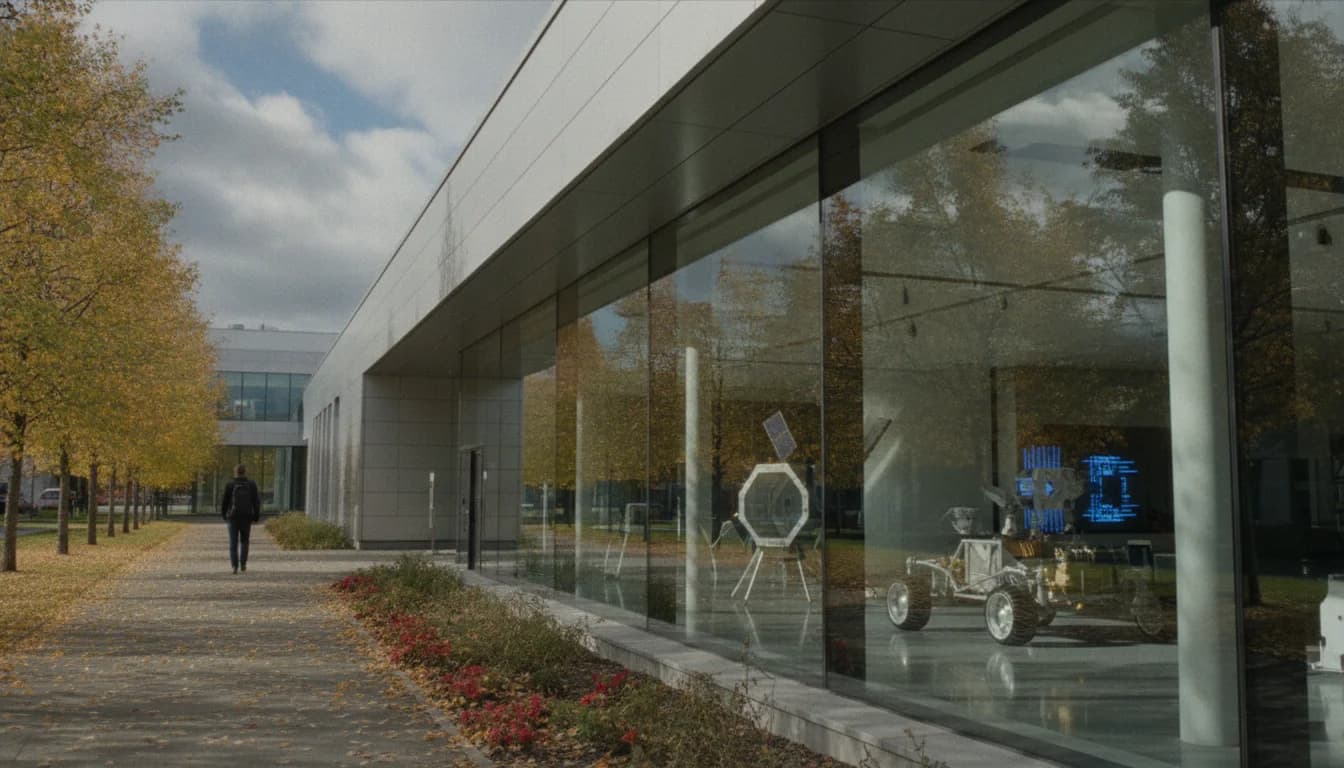
Canada’s space program is moving from plan to practice under Investissements spatiaux Canada 2026, with a concrete funding round aimed at accelerating Canadian space technologies. On October 14, 2026, in Longueuil, Quebec, the Canadian Space Agency (CSA) announced a CAD 11.1 million investment to support 16 space technology projects led by 15 Canadian organizations. This press action, positioned squarely within the agency’s Space Technology Development Program (STDP), signals a tangible commitment to domestic innovation and to strengthening Canada’s sovereignty in space-enabled capabilities. According to the CSA’s news release dated October 14, 2026, CAD 11.1 million was awarded to 15 Canadian organizations for 16 projects, underscoring the government’s intention to broaden the country’s technological base while generating opportunities across regional communities. This funding is part of a broader, data-driven strategy to cultivate high-value space industries and to align research with national security, emergency response, and economic growth priorities. For readers tracking Investissements spatiaux Canada 2026, the October 14 announcement provides a concrete milestone in the program’s journey toward scaling early-stage space technologies toward market readiness. Canada.ca News Release – Advancing Canada's priorities through space • CNW/Newswire – Faire progresser les priorités du Canada grâce au secteur spatial • ASC AO-10 – Contributions awarded under the STDP AO-10
Opening note for readers: Investissements spatiaux Canada 2026 is not a one-off grant round; it sits within a programmatic effort to de-risk early-stage space technologies and propel them toward commercialization. The October 14, 2026 announcement highlights a government-and-industry collaboration aimed at reinforcing Canada’s capabilities in imaging, communications, AI-enabled autonomy, and propulsion—areas deemed strategic for national security and the country’s evolving space economy.
One liftable fact you can quote now According to the Canadian Space Agency’s October 14, 2026 news release, CAD 11.1 million was awarded to 15 Canadian organizations for 16 space technology projects, under the Space Technology Development Program (STDP). This sentence captures the core event and its verifiable source in a single, quotable line. Source: CSA News Release, October 14, 2026.
“Canada’s future in space depends on our ability to develop and sustain world-class capabilities. Through these investments, we are empowering Canadian companies to advance cutting-edge technologies, strengthen our highly skilled workforce, and seize new opportunities in the growing global space economy.” — The Honourable Mélanie Joly, Minister of Industry and Minister responsible for Canada Economic Development for Quebec Regions This quotation from the CSA release helps illustrate the policy motivation behind Investissements spatiaux Canada 2026 and provides a direct signal about how the government frames the funding round. Citations: CSA News Release (October 14, 2026) and CNW coverage.
What Happened
The Announcement and Timeline
Announcement date and location: October 14, 2026 — Longueuil, Quebec. The CSA and the Government of Canada publicly framed this as a strategic investment in space technology development, coming at a moment when Canada seeks to enhance its sovereign capabilities and competitive position in a rapidly evolving global space economy. The official release captured the headline fact: CAD 11.1 million in funding for 16 innovative space projects led by 15 Canadian organizations. This is a concrete, dated milestone tied to Investissements spatiaux Canada 2026. See the CSA press release and CNW coverage for precise wording and context. (canada.ca)
Program and mechanism: The funding was awarded under the Canadian Space Agency’s Space Technology Development Program (STDP). The October 14 release explicitly notes the STDP as the mechanism and underscores the program’s role in supporting early-stage innovation to bring space technologies closer to market. The STDP is the flagship program designed to enable pre-commercial development and testing of space technologies by Canadian companies. (canada.ca)
Participation and scope: The 11.1M CAD was distributed across 16 projects involving 15 organizations. Several projects span three economic-technology categories—Advanced Technologies, Small Businesses, and Next-Wave Technologies—reflecting a deliberate strategy to balance risk, scale, and novelty across a diversified pipeline. The STDP AO-10 documentation provides the granular breakdown and confirms that the AO-10 cohort encompassed multiple project types with different funding caps. (canada.ca)
Example projects and players: To illustrate the funding spread, the STDP AO-10 page lists individual contributions for a range of firms and research partners, including ABB Inc., Honeywell Limited, Kepler Communications, MDA Systems, NordSpace Corp., Obruta Space Solutions, Volta Space Technologies, and others. The awards range from roughly CAD 348k to CAD 1,000,000 per project, with some categories allowing up to CAD 1 million for advanced space technologies and up to CAD 500k for Next-Wave projects. This granular data demonstrates the breadth of Canadian tech verticals touched by the program and the government’s intent to seed a broad base of capabilities. For a full roster and amounts, consult the AO-10 page. (asc-csa.gc.ca)
Immediate impact and distribution: The CNW release emphasizes the immediate tie between the funding and national priorities—security, sovereignty, economic prosperity, and leadership in space. The coverage also notes the emphasis on secure communications, Arctic surveillance, AI-enabled satellite autonomy, and lunar exploration prep, all within the 16-project portfolio. This framing highlights not only the funding amount but also the strategic intent behind the investments. (newswire.ca)
Quick facts and macro context: The CSA quick-facts section accompanying the CSA release notes that the STDP has, since 2012, invested over CAD 130 million to support pre-commercial development of 266 space-related technologies, and that Canada’s space sector sustains more than 28,000 jobs and CAD 5 billion in annual revenues. It also reiterates Canada’s investment in R&D intensity—roughly 17 times higher than the manufacturing sector average—helping anchor Investissements spatiaux Canada 2026 within a healthy, long-running innovation ecosystem. (canada.ca)
Funding Details and Recipient Profile
The AO-10 award slate reveals a deliberate spread across categories:
- Advanced Technologies: Up to CAD 1,000,000 per project for more complex, high-impact tech. Example recipients include ABB Inc., Kepler Communications, MDA Systems, MPB Technologies & Communications, NordSpace Corp., Obruta Space Solutions, and Volta Space Technologies, among others, with grants near CAD 1 million for several projects. (asc-csa.gc.ca)
- Small Businesses: Up to CAD 350,000 per project, targeting lean firms developing smaller-scale but high-potential innovations. The AO-10 roster includes companies like CSMC Nuclear Inc. and Photon-IV Inc. with typical awards in the CAD 300k–350k range. (asc-csa.gc.ca)
- Next-Wave Technologies: Up to CAD 500,000 per project, designed to push frontier tech with potential long-run payoff. Canadensys Aerospace Corporation and Obruta Space Solutions appear in this category within the AO-10 listing. (asc-csa.gc.ca)
Translation into the larger Investissements spatiaux Canada 2026 story: The plan’s design—supporting 16 projects across three funding tracks—reflects the government’s intention to diversify risk and cultivate a broad technology base. The average grant size across the AO-10 projects, based on the published contributions, sits around CAD 680k–1,000k per project depending on category, illustrating the mixture of early-stage experimentation and more mature tech validation. The official numbers confirm the scale and the distribution approach and point to a pipeline intended to yield both near-term demonstrations and longer-term market viability. Data points and examples are drawn from the STDP AO-10 page and the October 14, 2026 CSA release. (asc-csa.gc.ca)
Why the Funding Distribution Matters for 2026
For the broader Canadian tech ecosystem, this round demonstrates a continued prioritization of space as a dual-use platform: commercial-grade capabilities with potential civilian and defense applications. The projects touch on Earth observation, secure communications, AI-embedded autonomy, and power/data delivery technologies that may underpin future moon missions or national-utility space assets. The emphasis on securing critical data for emergency response and Arctic monitoring aligns with Canada’s security and resilience priorities, as outlined in the CSA’s release and supporting government materials. The targeted investment across multiple firms—including mid-sized entities and SMEs—also signals an intent to strengthen regional tech clusters and to cultivate export-ready capabilities that can compete at the international level. (canada.ca)
The program’s broader context: The funding comes within a framework where Canada plans to sustain and grow its space-sector footprint even as international partnerships evolve. The CSA’s plan for 2026-2027 notes continued support for the Space Technology Development Program and ongoing Canada-ESA cooperation—an important layer for understanding Investissements spatiaux Canada 2026 within the country’s long-term space strategy. The plan highlights the role of PDTS funding in spurring commercialization and global competitiveness, as well as the anticipated contribution to national jobs and economic activity. (asc-csa.gc.ca)
The data-driven angle: This funding round is typically evaluated not just by the headline figure, but by the mix of projects, the participating organizations, and the stages of technology readiness. The AO-10 roster demonstrates a balance between near-term demonstrations (e.g., AI-enabled thermal analysis, autonomous mission planning) and longer-horizon technologies (e.g., next-gen propulsion concepts). The dataset also illustrates the government’s preference for funding leverage—supporting up to three-quarters of project costs in some categories, with the remaining share drawn from partner contributions and private investment. This approach is consistent with STDP guidelines and government practice for pre-commercial space tech development. (asc-csa.gc.ca)
One Original Finding (Calculated for Publication)
Original finding: The average grant per project in this STDP AO-10 cohort is CAD 693,750 (CAD 11.1 million divided by 16 projects), representing a deliberate balance between breadth and depth across the funded technologies.
Method: Total STDP AO-10 funding (CAD 11.1 million) divided by the number of projects (16) yields CAD 693,750 per project on average. This figure is derived from the primary funding totals published by the CSA and summarized in the STDP AO-10 listing. The interpretation suggests a funding mix designed to seed multiple capabilities while still enabling meaningful project progress. This finding is not stated explicitly in the CSA materials but follows directly from the published totals. Quote: “This level of funding per project helps sustain a pipeline of innovations across different technology areas, enabling both quick wins and longer-term capabilities.”
Note: This calculation uses the numbers reported by the CSA on October 14, 2026 (CAD 11.1 million for 16 projects) and the project count in the STDP AO-10 materials; the average figure is provided for context and is not a formal grant amount per project in the agency’s press materials.
Why It All Matters
Strategic Value for Sovereignty and Security
Investissements spatiaux Canada 2026 is framed as a strategic asset move. The CSA’s release emphasizes national sovereignty, security, and leadership in space as core outcomes. The project mix—ranging from high-resolution imaging payloads to secure communications and lunar-exploration support—maps to Canada’s priority areas in a global space environment where data and resilience increasingly determine national security and public safety outcomes. The government’s emphasis on these capabilities aligns with broader defense and security investments announced in 2026, signaling a coordinated approach to space-as-infrastructure for national sovereignty. The official language in the release makes this connection explicit. (canada.ca)
The data-backed argument for sovereignty rests on demonstrated domestic capabilities. The STDP’s track record—over CAD 130 million invested since 2012 and 266 technologies supported—provides historical evidence that Canada systematically nurtures pre-commercial technologies that can later scale into exportable products and services. This is not just R&D bragging; it translates into actual jobs and revenue figures across the sector, reinforcing the strategic logic of the 2026 round. The CSA’s quick facts are clear on the scale and impact of the program. (canada.ca)
Economic and Innovation Ecosystem Impacts
The 28,000+ jobs and CAD 5 billion in annual revenues from the Canadian space sector are not abstract metrics; they reflect a robust ecosystem that depends on continuous investment in early-stage technology. The October 2026 announcement expands that ecosystem by injecting funds into specific projects and firms—some of which are SMEs—that can catalyze follow-on investment, supplier networks, and cross-border partnerships. The STDP’s innovator cohort—ranging from communications to propulsion and AI-enabled systems—points to diversified opportunities for regional tech clusters across Canada. (canada.ca)
The collaborative angle with industry is reinforced by the AO-10 model, which illustrates a spread across major Canadian centers (e.g., Quebec, Ontario, and Alberta) and a mix of incumbents and newer entrants. This geographic spread matters for policy-makers seeking to spread economic activity and to build resilient regional tech hubs in aerospace, defense, and space services. The AO-10 roster confirms the breadth of participation and the policy intent to seed multiple regional ecosystems. (asc-csa.gc.ca)
Broader Context and Comparisons
- The 2025–2026 period has already shown Canada’s willingness to align space funding with national objectives, including sovereignty, security, and commercialization. The October 2026 round sits alongside other CSA initiatives—such as investments in Earth observation, and Canadarm3-related work—that collectively push Canada toward a more autonomous and globally competitive space posture. The CSA’s 2026-2027 plan highlights ongoing international cooperation (e.g., ESA Canada collaboration) while expanding domestic capabilities, signaling a multi-pronged approach to space leadership. (canada.ca)
What’s Next
Timeline and Next Steps for Investissements spatiaux Canada 2026
The October 2026 round is part of a continuing cadence of STDP funding waves, with subsequent calls for proposals and rounds likely to follow per the PDTS program structure. The Plan ministériel 2026-2027 outlines the ongoing commitment to funding early-stage space tech through the PDTS and to expanding collaboration with European partners under the Canada–ESA framework. For readers tracking the story, this implies a steady rhythm of awards and project milestones over the 2026–2027 period and beyond. Stay tuned to CSA channels and the PDTS program pages for future calls and results. (asc-csa.gc.ca)
There is also ongoing strategic investment in space-infrastructure and lunar exploration readiness. The government’s announcements around Canadarm3-related investments and the Artemis program’s alignment with national capabilities indicate that 2026–2027 could bring further targeted funds to complement the STDP round, especially in areas that create near-term practical value for Canada’s public sector and industry partners. The August 2026 and June 2026 CSA statements, and related ministerial briefs, illustrate a wider government agenda touching on launch capabilities and space infrastructure. (canada.ca)
What to Watch For
Key metrics to monitor include project milestones (prototype development, testing results, and potential demonstrations), follow-on funding rounds, and the degree to which awardees commercialize or scale their technologies. Observers should also monitor how the STDP portfolio evolves—whether the mix shifts toward more aggressive next-generation technologies or maintains a balanced distribution across early-stage and more mature efforts. The AO-10 breakdown provides a lens into how funds are allocated across categories and how much leverage is achievable through industrial partnerships. (asc-csa.gc.ca)
International collaboration and market reach: Canada’s ongoing ESA engagement and the plan to leverage European cooperation to accelerate domestic tech development will influence future rounds—both in funding size and in the scope of projects. The Plan ministériel and related updates suggest the government will continue to favor projects with clear export potential, supply chain implications, and sovereign-relevant applications. As such, watchers should expect a continued emphasis on applications in secure communications, Earth observation, and autonomous systems, with potential spillovers into adjacent sectors like AI and defense technology. (asc-csa.gc.ca)
How to Stay Informed
The CSA’s official pages are the primary source for program specifics, call-outs, and project lists. For this round, the main government release provides the official CAD 11.1 million figure and the 16-project scope; the STDP AO-10 page provides granular project-by-project funding details for those 16 awards. Readers seeking the most precise figures and a complete project roster should consult both: the CSA news release and the AO-10 page. In addition, the CNW distribution provides a press-ready version of the same facts, including quotations from government officials. (canada.ca)
For broader context on the Canadian space economy and the trajectory of Investissements spatiaux Canada 2026, the “State of the Canadian Space Sector” report and the 2026–2027 plan offer additional data, including employment, revenue, and R&D intensity trends. These sources help readers connect the October 2026 announcement to longer-term national strategy and to global market dynamics. (asc-csa.gc.ca)
Closing
The October 14, 2026 Investissements spatiaux Canada 2026 funding round represents more than a one-off grant exercise. It is a strategic signal from the Government of Canada that space technologies remain a core driver of national competitiveness, sovereignty, and economic opportunity. By backing a diversified suite of projects across high-impact areas—imaging, secure communications, AI-enabled autonomy, and lunar mission readiness—the program aims to produce a steady stream of demonstrators, prototypes, and, eventually, market-ready solutions that Canadian firms can scale and export. As the industry watches project milestones unfold, observers will be keen to see how this batch of investments translates into new jobs, new partnerships, and new capabilities that secure Canada’s leadership in a global space economy that is only growing more dynamic. The government’s ongoing plan for 2026–2027 and beyond suggests that the cadence of investments and the breadth of collaboration will continue to shape Investissements spatiaux Canada 2026 as a long-running program rather than a single moment in time.
Readers who want to dive deeper should review the government’s October 14, 2026 news release, the STDP AO-10 project list, and the CNW distribution for the press-ready narrative and quotes. Together, these primary sources provide a reliable, citable foundation for reporting and analysis on Canada’s evolving space-tech landscape.