Meta Invests CAD 13 Billion in Alberta Data Centre
Meta Platforms plans to build its first Canadian data centre in Sturgeon County, Alberta, with a CAD 13 billion investment aimed at enhancing the…
 Par
Par 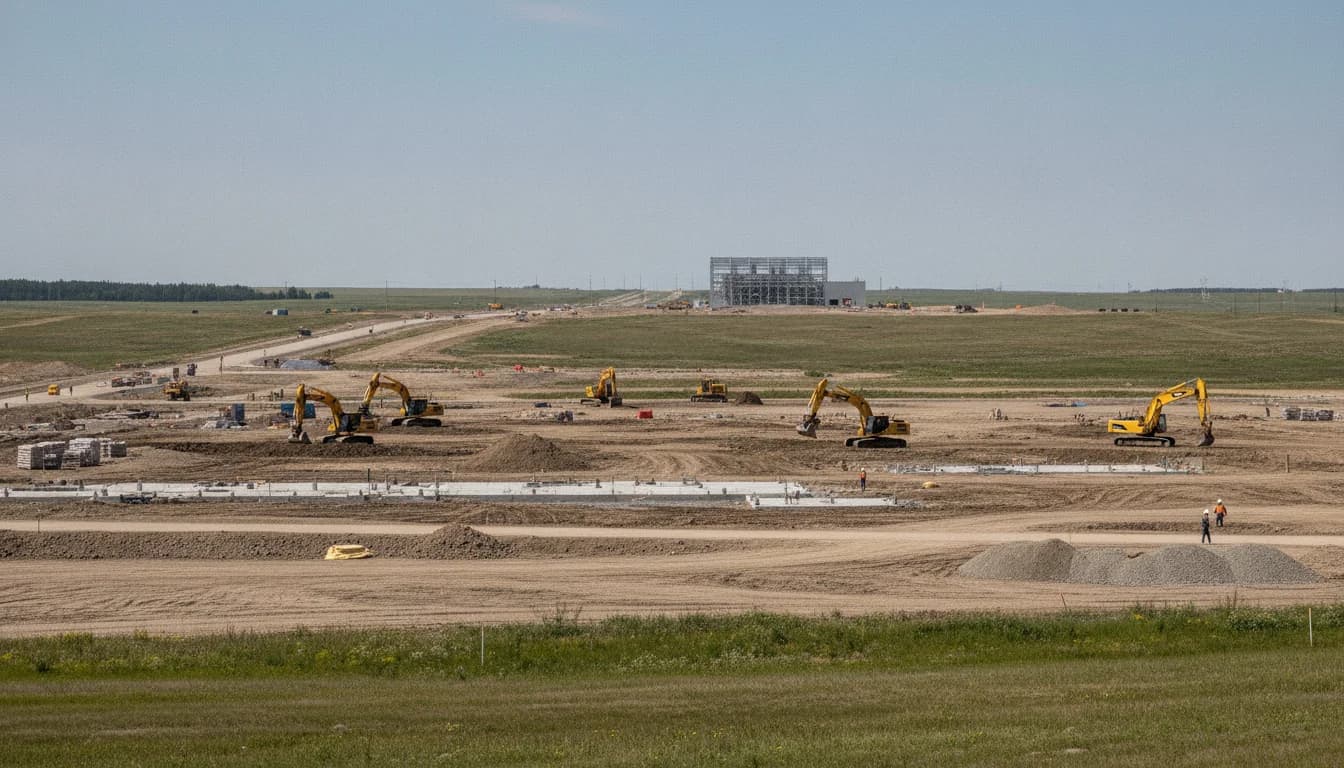
In a development with wide-reaching implications for Alberta’s technology ecosystem, Meta Platforms announced on July 8, 2026, a CAD 13 billion investment to build its first Canadian data centre in Sturgeon County, just north of Edmonton. The project signals a major shift in the province’s digital infrastructure strategy as it seeks to attract hyperscale computing capacity to support artificial intelligence workloads and cloud services. Officials described the plan as a transformative milestone for Alberta’s tech ambitions, positioning the province as a potential hub for AI compute in North America. This announcement arrived amid broader government efforts to create a favorable environment for data centre investments, including energy and infrastructure planning to support large-scale facilities. The news matters not only for Meta and Alberta's public sector partners but for a growing set of suppliers, service providers, and local communities that will be adjacent to one of the most significant private sector investments in Canadian digital infrastructure to date. The government and industry observers emphasize that the project could accelerate adjacent development, from power transmission upgrades to regional talent pipelines and data centre ecosystem maturation. Meta’s plan also comes with a parallel emphasis on sustainable cooling and energy efficiency as the company outlines its Canadian-first approach to data processing capacity. According to Invest Alberta, the announcement marks a watershed moment for the province’s technology and investment climate, reinforcing Alberta’s intent to compete for global hyperscale projects.
Meta announced on July 8, 2026, CAD 13 billion to build its first Canadian data centre in Sturgeon County, Alberta, according to Invest Alberta. (investalberta.ca)
The scale of the investment and the site’s location are being framed as a centerpiece of Alberta’s broader strategy to attract large, energy-intensive data centres while managing the power and water considerations that such facilities entail. The province has been actively courting hyperscale data centre developers, arguing that the presence of high-capacity compute resources can bolster local innovation ecosystems and attract ancillary investment. In the days following the announcement, provincial and municipal officials underscored that the project would be embedded in a broader plan to align energy supply with the needs of a multi-gigawatt data centre campus, as Alberta’s grid and adjacent energy projects evolve to accommodate growing demand. News outlets highlighted that this would represent one of the largest private sector investments in Canadian digital infrastructure, reinforcing Alberta’s profile as a destination for AI-driven infrastructure. Global coverage stressed that the investment would place Alberta among the leading jurisdictions for AI compute outside the United States. (globalnews.ca)
What Happened
Announcement and Timing
- On July 8, 2026, Meta Platforms publicly disclosed plans to invest CAD 13 billion to construct its first data centre in Canada, located in Sturgeon County, north of Edmonton. This decision was announced during a high-profile news conference attended by Alberta’s premier and Meta executives, among others. The government and participating agencies framed the investment as a watershed moment for Alberta’s technology economy and its ability to attract large-scale compute capacity. (investalberta.ca)
- The project’s groundwork aligns with earlier province-wide messaging about attracting hyperscale data centres as a pillar of economic diversification and digital modernization. Alberta’s official channels highlighted the plan as a strategic commitment to the province’s technology future, with emphasis on creating a robust ecosystem around AI compute, cloud services, and related infrastructure. (investalberta.ca)
Location and Scope
- The data centre campus is planned for Sturgeon County, in the Edmonton area, positioning it to serve not only Western Canada but also key AI workloads that require reliable, scalable compute capacity. Government and Invest Alberta materials describe the project as Canada’s first Meta data centre campus, underscoring its significance for the company’s North American footprint. Public and industry reporting confirm the site’s proximity to Edmonton and its role as a flagship Canadian installation for Meta. (majorprojects.alberta.ca)
- Alberta’s major project records describe the project as a multi-phase development anticipated to reach substantial scale in years ahead. The official project profile notes intent to deliver a one-gigawatt (1 GW) facility as part of the broader campus plan, illustrating the magnitude of electrical load the project is designed to manage. This reference to capacity helps explain the energy partnerships and grid considerations now under discussion among utilities and policymakers. (majorprojects.alberta.ca)
Energy and Infrastructure
- A key dimension of the announcement concerns energy supply and reliability. Capital Power, which operates energy resources in Alberta, announced a long-term energy supply arrangement in support of Meta’s Sturgeon County data centre, covering 250 MW of capacity and energy for more than a decade. The arrangement reflects parallel efforts to align local generation with the demands of hyperscale facilities while integrating the project into Alberta’s energy development plans. (capitalpower.com)
- Media reports also point to the ongoing development of Greenlight, a new power plant intended to serve high-demand data centre needs in the region. When operational, the Greenlight project is expected to play a critical role in providing the stable, scalable power required by Meta’s Canadian facility. Reports indicate that Greenlight is slated to come online in the second half of 2030, with additional energy supply considerations tied to the longer-term project timeline. (globalnews.ca)
Timeline and Milestones
- The public rollout of Meta’s Alberta project has been presented as a multi-year journey, with early phases focused on permitting, site preparation, and grid coordination, followed by construction, commissioning, and eventual operation of the data centre. Alberta and municipal officials have indicated that a series of regulatory and infrastructural steps will unfold over the next several years, with the potential for coordinated investment in roads, utilities, and local services tied to the campus footprint. While exact construction dates are still the subject of planning, the public discourse has stressed the need for careful scheduling to synchronize energy supply, water management, and workforce readiness with development milestones. (investalberta.ca)
Why It Matters
Economic and Regional Impact
- The CAD 13 billion investment is characterized by government and industry observers as a landmark in Alberta’s economic development playbook, highlighting the province’s ability to attract high-capital, high-technology projects. Analysts note that such a project could catalyze supplier networks, local hiring for specialized trades, and ancillary services that support hyperscale facilities. This is positioned as a growth lever for Alberta’s technology sector and related engineering and construction industries, potentially broadening the province’s long-term investment appeal. (globalnews.ca)
- Alberta’s major projects ecosystem has begun to reflect the narrative of a province pursuing scalable data centre opportunities. The 1 GW capacity target and the economic footprint associated with it are expected to influence regional development plans, municipal land use decisions, and the provisioning of critical infrastructure such as fiber networks, road access, and water management. Stakeholders stress that the project could anchor a broader AI and cloud services cluster in the Edmonton region and beyond. (majorprojects.alberta.ca)
Energy, Environment, and Sustainability Context
- The Alberta data centre announcement intersects with ongoing dialogue about energy supply, grid stability, and environmental stewardship. Meta’s plans highlight the use of efficient cooling systems and sustainable energy arrangements, aligning with public sector expectations for minimized water consumption and optimized energy use in hyperscale facilities. Industry observers emphasize that the project could become a reference point for best practices in data centre design, particularly in terms of energy efficiency, water use, and integration with local generation assets. (publicnow.com)
- The Greenlight project and associated energy partnerships illustrate the province’s approach to balancing rapid compute expansion with electricity reliability and regional grid planning. News coverage and corporate disclosures suggest that the energy strategy for Meta’s Alberta campus will be closely watched by utilities, regulators, and potential future data centre developers considering similar builds in the province. (calgary.citynews.ca)
Industry and Workforce Implications
- As metadata-intensive compute becomes central to AI development and cloud services, Alberta’s ability to attract such projects could influence its standing in the national technology market. Analysts point to the need for upskilling in data centre management, electrical engineering, and ICT service provision to support the lifecycle of a campus of this scale. The Meta project adds a high-profile case study for workforce development, supplier engagement, and regional collaboration across public and private sectors. (datacenterdynamics.com)
- Observers also note that this investment could stimulate demand for specialized infrastructure, including advanced cooling technologies, modular data centre components, and high-capacity electrical interconnections. The provincial government’s stance on data centre strategy and regulatory readiness is viewed as a critical factor in sustaining momentum beyond the initial construction phase. (open.alberta.ca)
What’s Next
Construction Phases and Key Milestones
- The immediate next steps focus on finalizing site readiness and securing the necessary permits for large-scale construction. Given the project’s magnitude and the cross-sector coordination required, the timeline is likely to span multiple years, with initial site work, infrastructure upgrades, and supplier contracts preceding actual module installation and data centre buildout. Stakeholders anticipate phased milestones aligned with grid readiness, water management planning, and local workforce pipelines. (majorprojects.alberta.ca)
- As construction advances, the project will hinge on securing continued energy capacity and ensuring alignment with Alberta’s energy policy and utilities planning. The detailed sequencing of permitting, land use approvals, and infrastructure upgrades will shape the pace of progress and set the floor for subsequent expansions that could follow the initial campus buildout. (capitalpower.com)
Energy and Grid Coordination
- The data centre campus will require robust energy coordination, including long-term power supply arrangements and potential upgrades to transmission or distribution assets. The 250 MW energy supply agreement with Capital Power marks the first major step in creating a dependable energy backbone for the campus, while broader commitments around Greenlight and related generation capacity will influence the project’s overall energy footprint. Utilities and policymakers will likely publish additional details on capacity, reliability targets, and contingency planning as the project moves through permitting and procurement phases. (capitalpower.com)
- Given the scale of Meta’s Canadian data centre, observers expect ongoing engagement with provincial regulators to address environmental, water-use, and emissions considerations, as well as community engagement programs designed to mitigate potential neighbourhood impacts. The Alberta government has signaled that such projects will be evaluated under its data centre strategy framework, with emphasis on sustainability, transparency, and long-term economic benefits. (open.alberta.ca)
What to Watch For
- Next-forwards on the project include additional announcements from Meta and provincial partners about construction milestones, employment opportunities, and supplier rosters. Local municipalities and regional planning authorities are expected to publish more detailed development plans, road and utility upgrades, and potential incentives designed to support the campus’s integration into the region. Media coverage in the coming months is likely to focus on progress updates, energy procurement progress, and any shifts in regulatory timelines as approvals advance. (edmonton.citynews.ca)
Closing
The Meta data centre Alberta 2026 announcements mark a watershed moment for Alberta’s digital infrastructure ambitions, signaling the province’s readiness to host one of the world’s largest and most consequential data centre projects outside the United States. With CAD 13 billion of investment and a planned 1 GW data centre footprint in Sturgeon County, the venture has the potential to reshape Alberta’s technology ecosystem, energy strategy, and regional economic activity for years to come. The path forward will hinge on coordinated action among government agencies, utilities, industry partners, and local communities, as well as careful attention to environmental stewardship and sustainable growth. Readers seeking updates should monitor official government releases, Invest Alberta communications, and project updates from Meta and its energy partners as milestones unfold.
As this story develops, L’Entreprise will continue to provide data-driven, neutral coverage that explains what the investment means for Alberta, how it affects local businesses and workers, and what comes next for Canada’s AI compute landscape. For ongoing context, follow provincial project pages, major utility filings, and trusted regional outlets covering technology and energy infrastructure in the Edmonton region and beyond.
Cited sources and primary documents referenced in this report include official government announcements, Invest Alberta materials, Alberta Major Projects listings, and corroborating coverage from Global News, Reuters, AP, City News Edmonton, and Capital Power. (investalberta.ca)