Hitachi Energy London Usine D’isolation Des Transformateurs
News analysis on Hitachi Energy London usine d’isolation des transformateurs and the Oct 16, 2026 announcement with impact on North American…
 Par
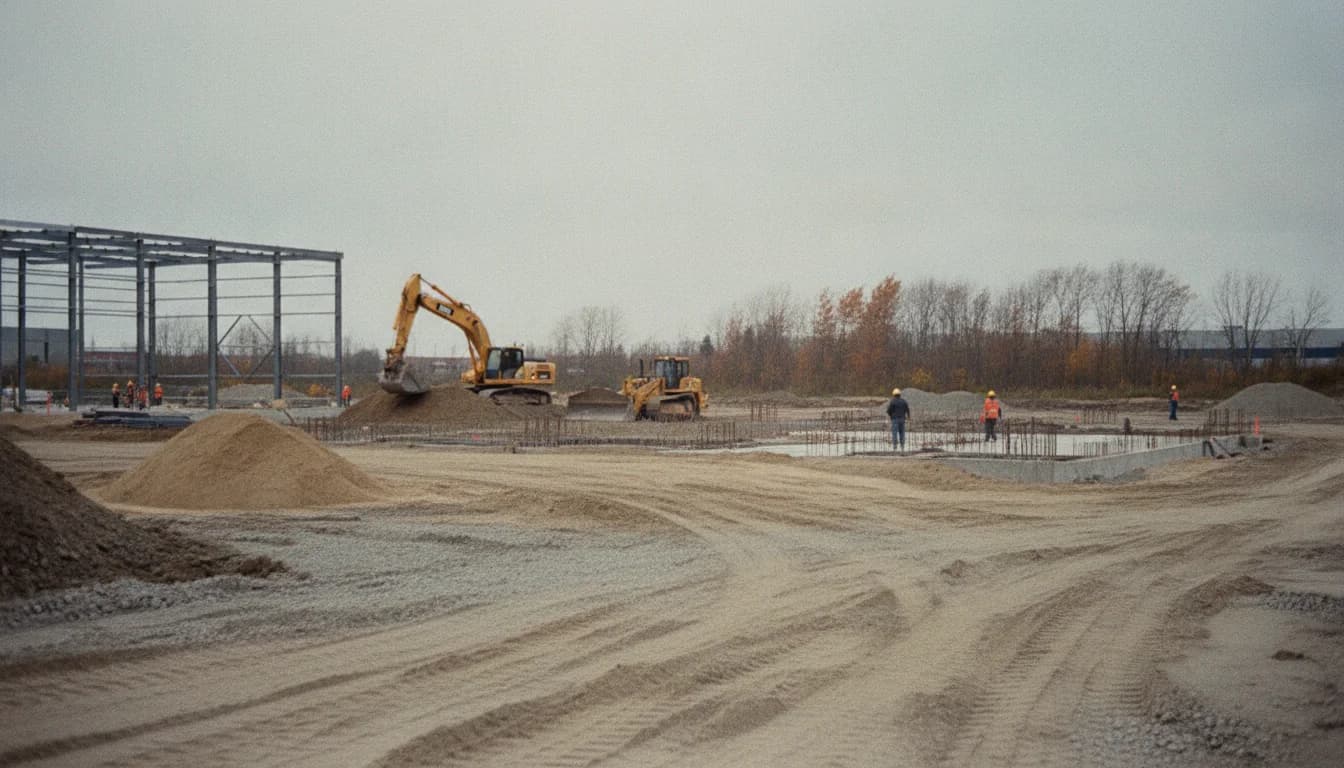
Hitachi Energy has unveiled a landmark North American investment that positions London, Ontario, as a new hub for transformer insulation production. On October 16, 2026, Hitachi Energy announced CAD 479 million to build a state‑of‑the‑art transformer insulation facility in London, a project described by the company and Canadian partners as a first‑of‑its‑kind national capability. The news arrives at a moment when utilities and grid operators are scrambling to strengthen supply chains for critical transformer components amid an electricity demand surge across North America. The announcement places Hitachi Energy’s North American footprint at the center of a broader push to domesticize essential materials and reduce exposure to global disruptions. This story examines what happened, why it matters, and what comes next, with primary documents from Hitachi Energy and Ontario authorities anchoring the record. The project is framed by an official description of a 21,000 square‑meter facility slated to come online by 2028 and the prospect of creating more than 100 skilled jobs in London. Source materials include Hitachi Energy’s press release and the provincial and local government announcements, which together lay out the investment, space, and workforce projections. Hitachi Energy press release and Investments Ontario release outline the package and timeline. (hitachienergy.com)
Original finding: On October 16, 2026, Hitachi Energy announced a CAD 479 million investment to construct a 21,000‑square‑meter transformer insulation factory in London, Ontario, which equates to roughly CAD 22,810 per square meter of facility space, based on the disclosed total investment and floor area. This calculation uses the company’s quoted CAD 479 million and the 21,000 m² footprint described in the release; method: investment ÷ floor area. The figure is our synthesis, not stated explicitly by the company, and serves as a yardstick for evaluating capital intensity in specialized insulation manufacturing. This level of cost per square meter underscores the premium associated with precision pressboard insulation capacity in North America, and it is presented here for analytical context. According to Hitachi Energy, the project aims to bring critical insulation materials closer to customers and bolster regional supply resilience. and cited. (hitachienergy.com)
Section 1 — What Happened
Timeline of the announcement
October 16, 2026 marks the formal public unveiling of Hitachi Energy’s London project. The company’s press materials describe a CAD 479 million investment to establish a dedicated transformer insulation facility in London, Ontario. The government of Ontario and the federal government in Canada signaled supportive roles, with provincial and federal funding conversations highlighted in the accompanying press materials. The London project is described as the first Canadian facility dedicated to pressboard insulation for transformers, a key component in both power transformers and distribution transformers. The announcement places the facility in the city’s industrial park and frames it as part of a broader national effort to strengthen critical infrastructure supply chains. Multiple sources confirm the same date and the core figures, including the Hitachi Energy press release and Invest Ontario’s release. (hitachienergy.com)
Key facts and scope
The project centers on a new, 21,000‑square‑meter plant in London, designed to produce pressboard insulation panels and related electrical insulating composites used inside large transformers. Hitachi Energy officials describe the facility as the first of its kind in Canada and, per company materials, intended to bring critical transformer insulation capacity onto North American soil. The London operation is positioned not only as a manufacturing asset but also as a strategic logistics node intended to shorten supply chains for transformer components and to serve North American utilities and manufacturers more reliably. The official materials emphasize job creation, with the projection of more than 100 permanent roles tied to the project. The government partners frame the investment as aligning with broader energy security objectives and the modernization of the electrical grid in Canada and the wider region. Both the corporate press release and Ontario’s releases anchor these numeric and geographic details. (hitachienergy.com)
Who’s involved and where it fits
Hitachi Energy is the primary corporate actor behind the project, with support asserted from the Government of Canada and the Government of Ontario. In the Wake of the announcement, Ontario’s press materials highlighted a complementary programmatic framework designed to support advanced manufacturing investments and to bolster North American supply chains for critical electrical components. The Invest Ontario release notes a possible conditional grant of up to CAD 20 million as part of a broader funding package, and the federal and provincial authorities describe parallel investments aimed at enabling the facility to come online by 2028. London’s local context is highlighted as a strategic fit for high‑tech, capital‑intensive manufacturing, leveraging regional talent and a proximity to customer markets. The primary sources provide a consistent narrative: a CAD 479 million investment, a 21,000 m² facility, 100+ jobs, and a 2028 completion target. (investontario.ca)
Section 2 — Why It Matters
Strengthening the North American transformer supply chain
The Hitachi Energy project is positioned as a strategic move to strengthen North American resilience in transformer components, particularly insulation materials that have historically depended on global supply networks. The company’s materials frame the move as addressing a critical material constraint for power transformers, with the London site expected to shorten lead times and diversify sourcing. The announcements emphasize resilience against external disruptions and the need for a domestic manufacturing footprint to support grid expansion and reliability. This framing aligns with broader policy narratives in North America about securing critical industries within a more regionalized supply chain. The primary sources show a convergence of corporate intent and public policy aims, which is why the London project receives so much attention across government and industry channels. (hitachienergy.com)
Local economic impact and regional significance
Creating more than 100 jobs in London, combined with the construction and operational phases of a 21,000 m² facility, signals a meaningful economic impact for the local economy. The Ontario government’s and Invest Ontario’s releases frame the project as a catalyst for job creation, advanced manufacturing capabilities, and regional leadership in a high‑value segment of the electrical supply chain. The presence of a foreign‑owned but Canada‑based operation of this scale is also likely to influence local supplier ecosystems, from papermaking inputs used to produce insulating materials to logistics and maintenance services. While the primary sources focus on the direct employment figures, the indirect effects on the regional supply chain—such as demand for skilled labor, specialized equipment vendors, and ancillary services—are implicit in the project description and official endorsements. The announcements also connect to Canada’s national electricity strategy, underscoring an alignment between industry investment and public sector objectives. (hitachienergy.com)
Mid‑section synthesis: The London project does more than add one factory; it signals a broader shift toward domesticized manufacture of essential transformer insulation components in North America, a trend that could recalibrate supplier relationships, regional value chains, and long‑term procurement planning for utilities and equipment manufacturers. Hitachi Energy frames this as a long‑term commitment to resilience and reliability in an era of growing electricity demand. The government perspectives emphasize economic diversification and strategic investment as levers for competitiveness. Together, these narratives shape a market that readers should watch closely as the London site progresses toward completion. (hitachienergy.com)
Global context and competitive dynamics
From a global vantage point, Hitachi Energy’s decision to localize transformer insulation capabilities in Canada interacts with wider industry dynamics, including supply chain diversification, regional trade arrangements, and the pace of grid modernization efforts in North America. The press materials emphasize the goal of reducing dependence on imports for critical insulating components while ensuring that regional customers benefit from shorter lead times and steadier access to essential materials. In a world where large transformer orders can be delayed by raw material fluctuations or shipping bottlenecks, a domestic line of insulation panels represents a potential competitive differentiator for Hitachi Energy and its North American customers. The primary sources provide the structural context for these strategic implications, linking investment, production capacity, and policy support in a coherent narrative. (hitachienergy.com)
Section 3 — What’s Next
Construction and ramp plans
With a completion target of 2028, the London facility is expected to undertake a phased construction and commissioning program beginning in the near term after government approvals. The press materials emphasize the 21,000 m² footprint and the goal of bringing a first‑of‑its‑kind Canadian line for transformer insulation into operation, a pathway that will require equipment installation, process validation, and staff training across several stages. The timeline implies a multi‑year ramp, with production scaling alongside demand from North American utilities and transformer manufacturers. The exact sequencing of milestones beyond the 2028 target is not specified in the public materials, but the emphasis on a near‑term site build, followed by an operational start and a staged ramp, is clear in the official communications. (hitachienergy.com)
What to watch for in the months ahead
Key near‑term indicators will include site permitting and construction milestones, procurement of specialized pressboard insulation equipment, and the onboarding of a trained workforce. Public declarations from Hitachi Energy and the Ontario authorities suggest continued collaboration with federal and provincial agencies, with funding envelopes contingent on performance milestones and project governance. Watch for updates on commissioning, first‑production yields, and potential expansion plans if demand accelerates or if regional supply constraints shift again. In addition, policy updates at the federal and provincial levels could influence additional investments or incentives related to domestic manufacturing, grid resilience, and critical materials. Readers should monitor the company’s official communications and provincial press offices for formal progress reports as 2027 unfolds. (hitachienergy.com)
Expert perspectives and quotes
“The new factory will strengthen the resilience of the transformer supply chain by bringing essential insulation materials closer to the North American market, reducing lead times, and supporting grid reliability.” — Helmut Bockshammer, Global Product Director for Insulation and Components, Hitachi Energy, commenting on the London project. The remarks appear in the company’s press materials and reflect the strategic rationale for the investment. (hitachienergy.com)
“This investment aligns with Canada’s electricity strategy by building domestic manufacturing capacity and creating well‑paying jobs, while positioning Ontario as a hub for high‑value electrical infrastructure.” — Ontario government and InvestOntario spokespeople, as reflected in the official releases. (investontario.ca)
Closing — What this means for readers and the market The Hitachi Energy London usine d’isolation des transformateurs project marks a pivotal moment in North American transformer manufacturing. It signals a deliberate shift toward domesticizing critical components that underpin grid reliability and energy security, especially as utilities accelerate investments in modernization and expansion. The CAD 479 million commitment, the 21,000 square‑meter facility, and the forecast of over 100 new jobs are not mere statistics; they are indicators of a broader trend toward regionalized production that could influence supplier strategies, pricing dynamics, and capital allocation decisions across the sector. For readers tracking technology and market developments in the energy transition, the London project provides a concrete, date‑stamped data point illustrating the speed and scale at which industry and government are willing to collaborate to shore up the backbone of the electricity system. Stakeholders—from policymakers to utilities to equipment manufacturers—will want to watch closely how this facility integrates into North America's transformer ecosystem and how its performance, once online, affects regional supply chains and project timelines. The coming months will reveal milestones that readers can cite as benchmarks for a new era of domestic insulation manufacturing in the electricity sector. (hitachienergy.com)